

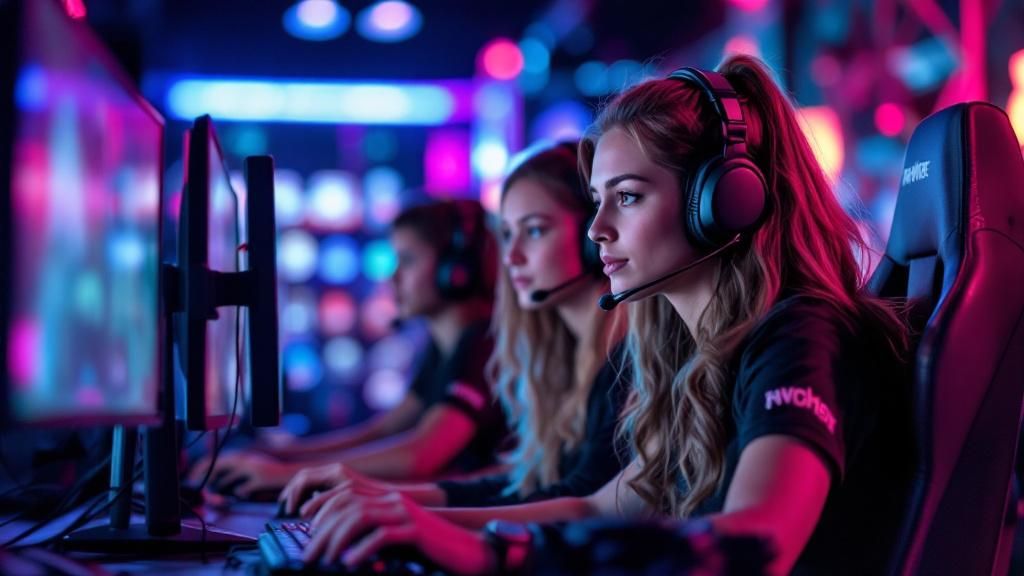
The professional gaming landscape has undergone a remarkable transformation, with women players now representing record-breaking numbers in major esports tournaments globally. This transformative change challenges entrenched perceptions and signals a fundamental change in the competitive landscape’s composition. From combat titles to competitive shooters, women are not merely participating but thriving at the peak competitive tiers. This article explores the forces behind this unprecedented surge, celebrates the trailblazing athletes spearheading the movement, and investigates what this progression means for the trajectory of esports competition.
Breaking Through Walls in Competitive Gaming
The expansion of women’s involvement in competitive esports events marks a pivotal turning point for the esports industry. For decades, competitive gaming remained a largely male-centric field, with women confronting structural obstacles ranging from cultural stereotypes to inadequate sponsorship opportunities. However, recent years have seen a dramatic transformation as companies increasingly recognise the skill and commitment of female players. Major tournaments now showcase women competing at elite levels, challenging preconceived notions about gaming capabilities and inspiring a fresh wave of aspiring female competitors worldwide.
This transformation has been driven by a combination of interconnected trends, including increased media attention, dedicated female-focused esports teams, and grassroots movements promoting inclusivity. Corporate partnerships have grown increasingly available, whilst streaming platforms have widened audience reach to women players’ performances. Educational institutions have begun establishing competitive gaming initiatives that actively promote female engagement, opening opportunities once inaccessible. The acceptance of competitive gaming as a valid professional pursuit has effectively removed traditional gender-based obstacles, permitting talent-driven competition to flourish and establishing competitive gaming as an increasingly inclusive and progressive industry.
Expansion Metrics and Market Development
The surge in female participation has been accompanied by substantial quantitative growth across the competitive gaming sector. Latest figures indicates that women now represent approximately 30% of tournament competitors in professional gaming, a notable rise from just 5% a ten years prior. Major tournaments have seen rapid expansion in female entries, with prize pools reserved for women-only tournaments increasing considerably. This expansion underscores not only increased interest but also greater investment from tournament organisers and sponsors recognising the business value of welcoming gaming environments.
Market analysts project ongoing expansion in the upcoming years, with forecasts pointing to female participation could hit 40 per cent by 2026. Sponsorship revenue allocated to female gaming initiatives has grown three times over since 2019, engaging major technology companies and beverage brands. The rise of dedicated women’s leagues and tournaments has established further pathways for emerging competitors. This revenue expansion shows that inclusivity and profitability are not mutually exclusive, fundamentally reshaping how the industry approaches talent development and audience engagement strategies.
Barriers and Future Direction
Despite remarkable progress, the professional gaming industry confronts major barriers hindering continued progress for female competitors. Persistent gender-based harassment, both online and within gaming communities, represents a substantial barrier to access and retention. Additionally, sponsorship opportunities are still unevenly distributed, with female-led teams getting significantly reduced financial support than their male counterparts. Tournament organisers and industry stakeholders should prioritise creating safer, more inclusive environments to guarantee continued expansion and genuine equality within professional esports.
The infrastructure enabling female gamers demands substantial investment and development moving forward. Training schemes, guidance programmes, and local competitive events purposefully created for emerging female talent could substantially increase engagement levels all professional games. Furthermore, implementing stricter behavioural guidelines and disciplinary procedures within tournaments would prevent discriminatory practices and create more positive gaming communities. Strategic partnerships between leading esports bodies and established sporting bodies could establish gaming credibility whilst creating unified standards that ensure participant protection.
Looking ahead, the trajectory for women’s involvement in professional gaming appears exceptionally promising. As awareness grows and role models inspire younger generations, participation rates will probably keep rising substantially. Industry leaders recognising the business and moral imperatives of inclusivity are investing meaningfully in women’s esports initiatives. With ongoing dedication to tackling structural barriers and fostering genuinely welcoming environments, professional gaming stands well positioned to be a genuinely welcoming arena where talent, dedication, and skill determine success, independent of gender.
